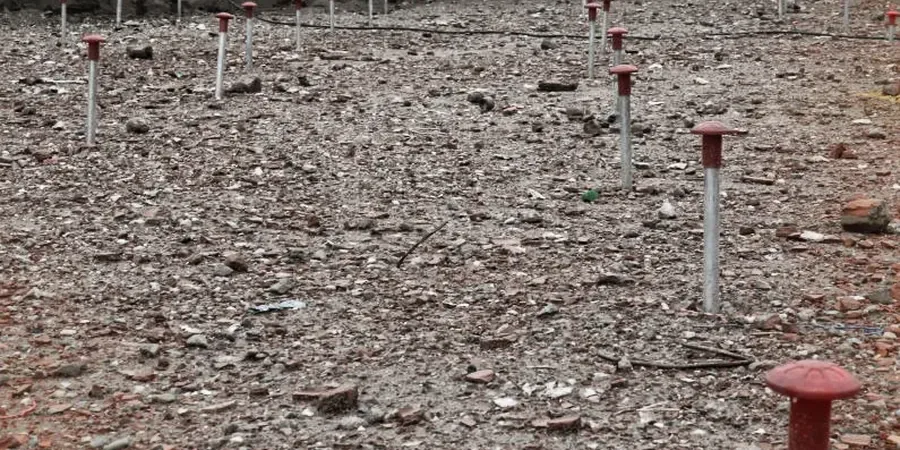
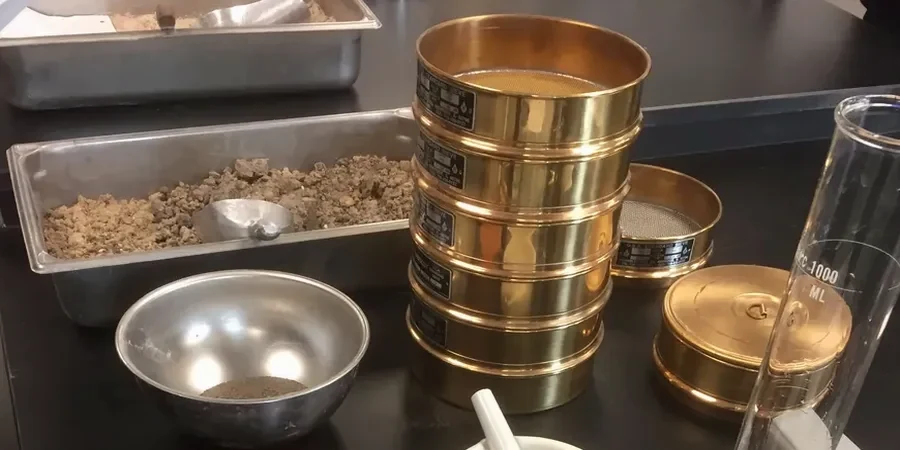
When we send a crew out to a site in Sydney, the first thing we grab is the shelby tube sampler and the portable oedometer frame. The soil here — especially around the Cumberland Plain and parts of the Hawkesbury sandstone transition — can look stable when dry but collapse dramatically once saturated. We perform collapsible soil evaluation in Sydney using double-ring oedometer tests on undisturbed samples, following AS 1726:2017 procedures. The collapse potential index tells us exactly how much the soil structure will break down under load and water. That number drives the whole foundation recommendation, so we're careful about sample quality from the start. We also check the in-situ dry density and natural moisture content before anything goes in the consolidation cell.
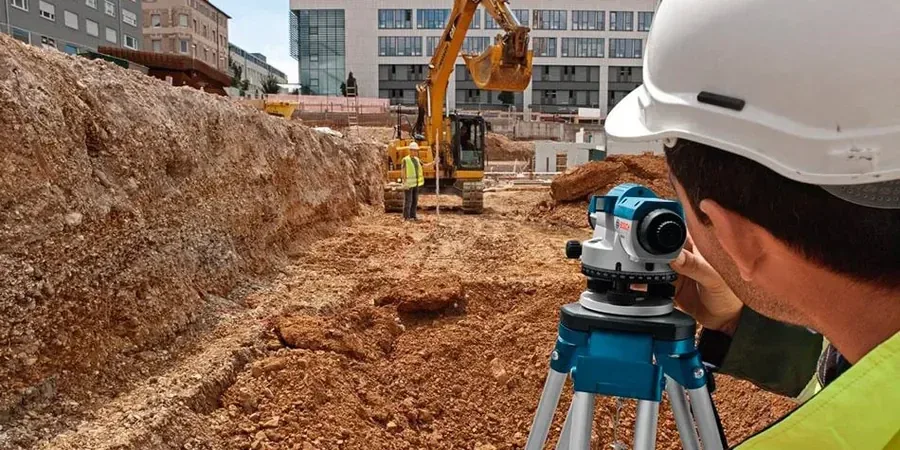
A collapse potential above 1% under 200 kPa means the soil will settle enough to crack unreinforced slabs – we flag it every time.
This service complements our laboratory testing work for a complete project analysis.