AS/NZS 1170.2 defines the seismic actions for structures across Australia, but the code's generic soil classification often underrepresents the variability found within a single urban area like Sydney. Seismic microzonation refines that picture by mapping local site effects, including soil amplification and basin resonance, at a resolution that the national standard alone cannot supply. For projects near the Nepean Fault or on the deep sediments of the Botany Basin, a generic Class Ce or De assignment may mispredict peak ground acceleration. We integrate MASW profiles, HVSR microtremor surveys, and borehole SPT data to produce hazard-consistent zoning maps that align with the performance objectives of the NCC. This work is essential before any structural design that relies on cimentaciones sísmicas in zones with soft alluvium or reclaimed land. The methodology follows Seed and Idriss liquefaction screening and the NEHRP site classification framework to deliver outputs that engineers can trust for dynamic analysis.
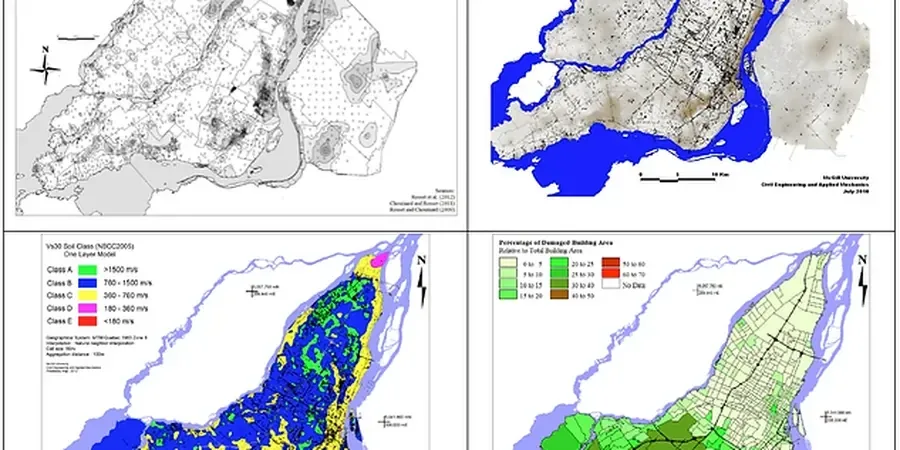
A single Vs30 value can mask a fourfold difference in amplification across a 500 m stretch of the Botany Basin floor.