SYDNY
SYDNEY
HomeSlopes & WallsRetaining Wall Design

Retaining Wall Design in Sydney – Engineered Solutions for Challenging Terrain

Rigorous testing. Clear reporting.

LEARN MORE

Sydney's coastal geography creates a complex mix of Hawkesbury sandstone, reactive clays, and elevated water tables. These conditions demand more than standard retaining wall design. Without proper geotechnical input, walls can tilt, crack, or fail completely within a few seasons. We assess lateral earth pressures, surcharge loads, and drainage needs to produce designs that stand up to the city's subtropical rainfall. Every project starts with site-specific soil testing, often combining borehole data with excavation test pits to verify stratigraphy before any wall is specified.
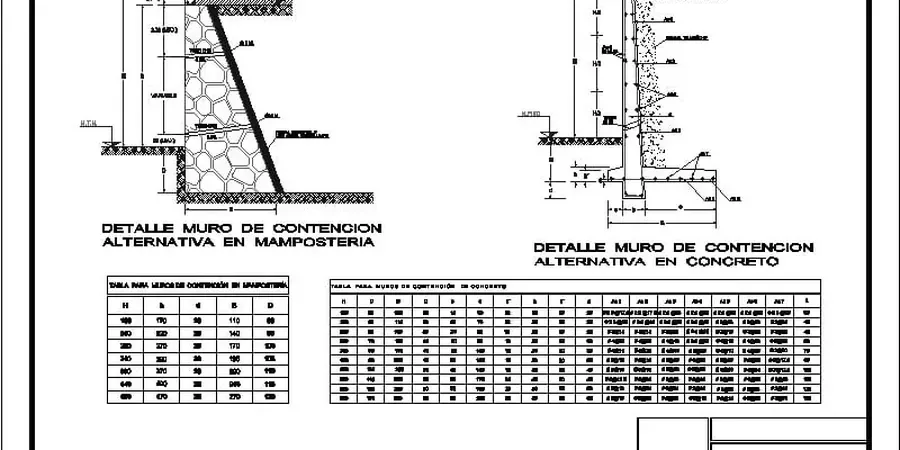
Illustrative image of Retaining wall design in Sydney
One in five retaining walls in Sydney's northern suburbs shows signs of distress within five years – mostly from underestimated water pressure behind the wall.

Our service areas

Scope of work

A common mistake we see in Sydney projects is assuming all soils behave the same. Builders often specify one wall type for a whole site, ignoring how clay layers differ from sandstone outcrops. That shortcut leads to differential movement and expensive repairs. Our process adapts to what the ground actually presents:
  • Active and passive pressure calculations per AS 4678
  • Drainage layer design to prevent hydrostatic buildup
  • Reinforced soil options where space is restricted
When dealing with narrow easements, we often integrate sheet piling and soldier piles to minimise excavation and protect neighbouring structures.
Technical reference — Sydney

Area-specific notes

AS 4678:2002 sets the benchmark for earth-retaining structures in Australia, and Sydney's varied geology makes it especially relevant. In areas like the North Shore or Inner West, residual clay soils can expand up to 15% when wet, exerting forces that easily exceed the capacity of a poorly designed wall. Ignoring these swelling pressures is the leading cause of wall failure locally. We always include unsaturated soil testing and long-term drainage provisions to keep those forces under control from day one.

Need a geotechnical assessment?

Reply within 24h.

Email: contact@geotechnicalengineering1.co

Watch how it works

Standards used

AS 4678:2002 Earth-retaining structures, AS 1726:2017 Geotechnical site investigations, AS/NZS 1170.2:2021 Wind actions, ACI 530-13 Building code requirements for masonry structures

Technical parameters

ParameterTypical value
Design life category50 years (AS 4678 Table 2.1)
Minimum drainage aggregate thickness300 mm
Surcharge load (car park)20 kPa
Seismic coefficient for ULS0.08g (AS/NZS 1170.4)
Allowable tilt at top of wallH/200 (max 50 mm)
Concrete strength gradeN32 minimum (AS 3600)

Quick answers

How much does retaining wall design cost in Sydney?

For a typical residential wall up to 2 metres high, design fees range between AU$1,860 and AU$5,540 depending on site complexity, number of soil layers, and whether groundwater modelling is required. Larger commercial walls with surcharge loads and seismic checks will be quoted individually.

What soil tests are needed before designing a retaining wall?

At minimum we need a site classification per AS 2870, including standard penetration tests (SPT) or test pits, moisture content, and Atterberg limits. If the wall exceeds 1.5 metres or the soil is reactive, we also run triaxial shear tests and swelling pressure measurements to get accurate design parameters.

Do I need a council approval for a retaining wall in Sydney?

Yes, if the wall is over 600 mm high or located within 900 mm of a boundary, it requires a complying development certificate (CDC) or a development application (DA). Engineered designs certified by a chartered geotechnical engineer satisfy council requirements and prevent delays.

How long does the design process take for a standard wall?

From site investigation to stamped design, expect 10 to 20 business days for a typical residential wall. Complex sites with high water tables or steep slopes may take 4 to 6 weeks including groundwater monitoring and detailed stability analysis.

Location and service area

We serve projects across Sydney and its metropolitan area.

View larger map