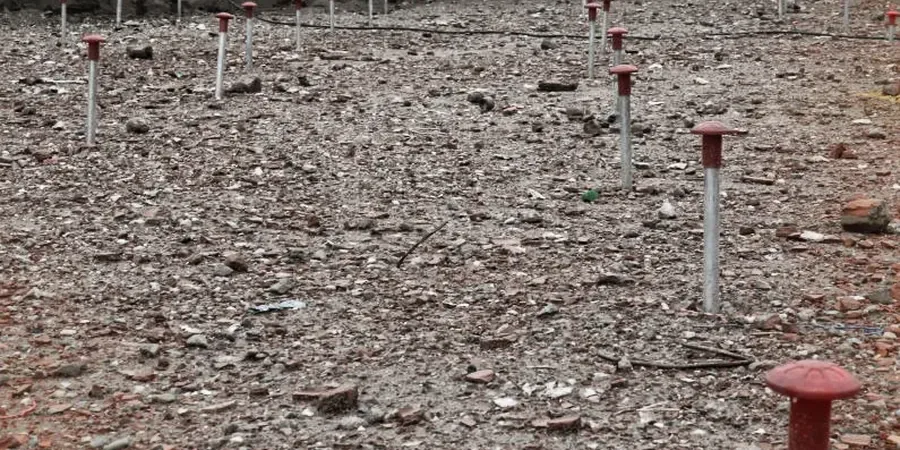
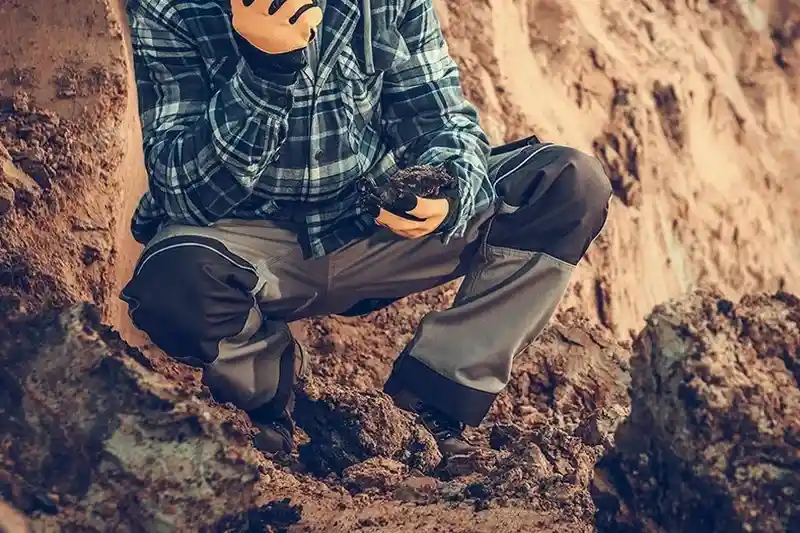
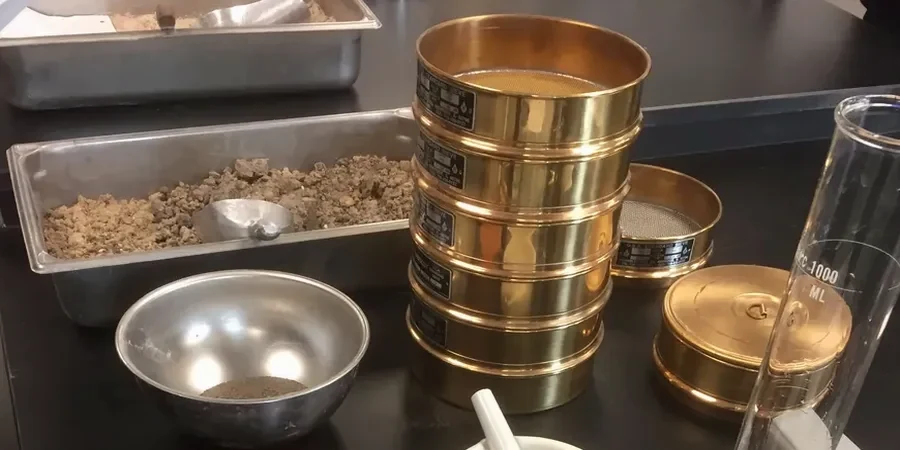
We were called to a site in western Sydney recently, where a new industrial subdivision required pavement design for heavy truck loading. The natural clay subgrade showed variable moisture content, and the client needed design CBR values to finalise pavement thickness. That is exactly where a laboratory CBR test becomes essential. Unlike field CBR, which can be influenced by surface conditions, the laboratory test lets us control moisture and density to simulate worst-case scenarios. For that project we also ran a compaction test to establish the standard and modified maximum dry density before soaking the specimens. The whole process follows AS 1289.6.1.1, ensuring the results are accepted by council and road authorities across New South Wales.
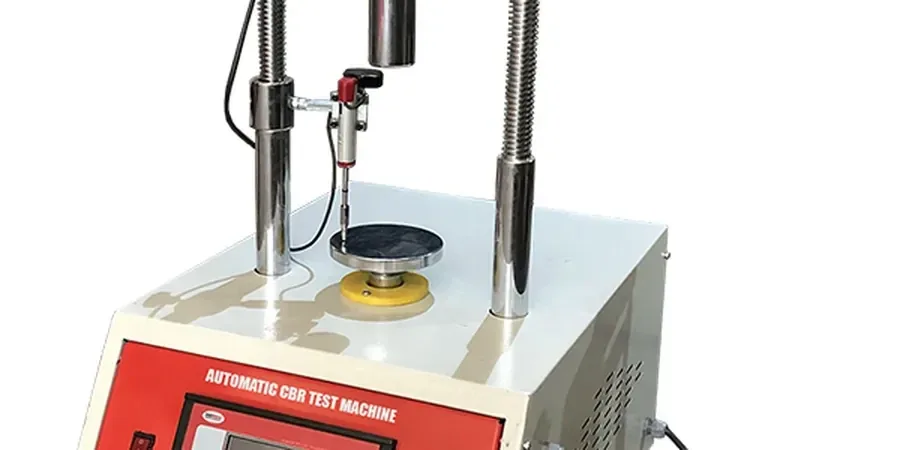
A soaked laboratory CBR of 3% versus 8% can mean the difference between 450 mm and 250 mm of pavement base course.