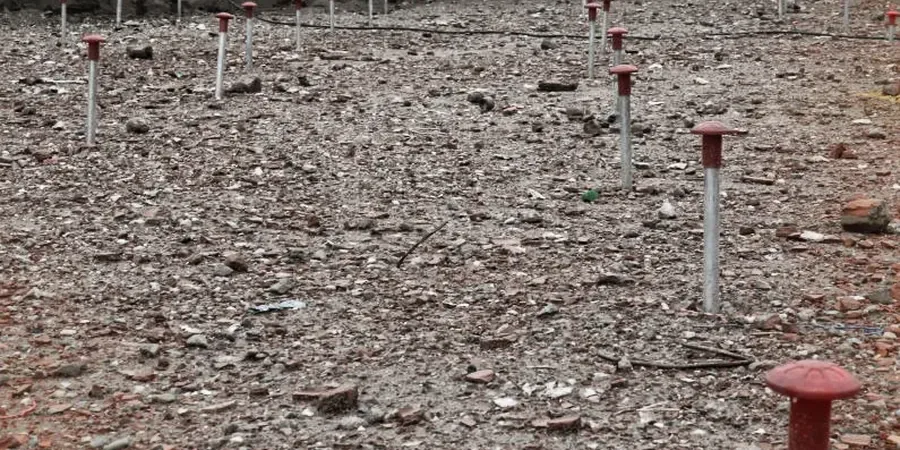
We recently worked on a concrete pavement upgrade for a busy arterial road in Sydney's Inner West, where the existing asphalt had failed after only six years. The culprit was the underlying Ashfield Shale, a material that swells significantly when wet and shrinks during dry spells. Rigid pavement design in Sydney demands a thorough understanding of these reactive profiles, because a slab-on-grade that looks fine in April can crack by December. Before pouring any concrete, we run a full suite of laboratory tests on subgrade samples taken from boreholes along the alignment. We also check the drainage conditions carefully, since ponding water accelerates the swelling cycle in clay-rich soils. For this project, we combined our standard rigid pavement design approach with a detailed subgrade evaluation to set realistic modulus values for the concrete layer.
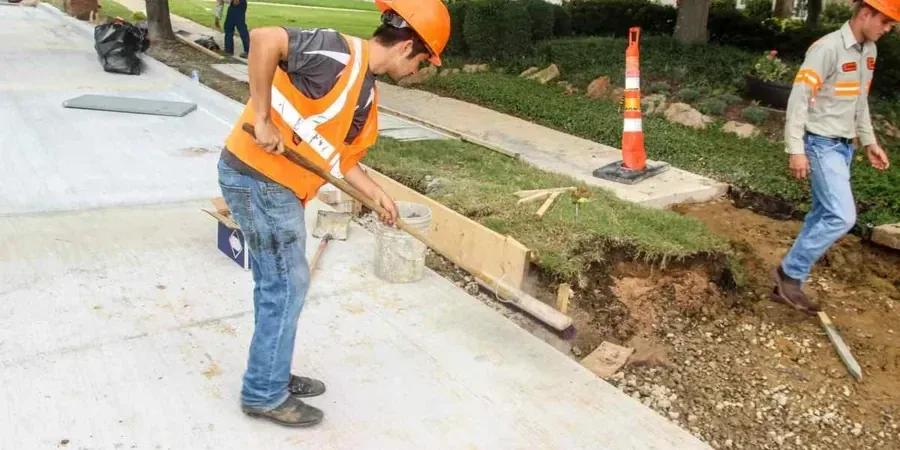
For Sydney's reactive clays, rigid pavement design must account for subgrade moisture cycles or the slab will crack within two years.