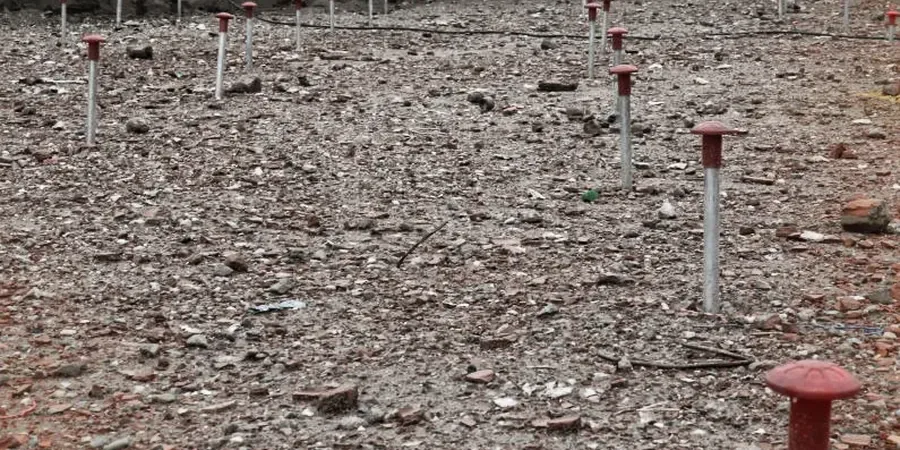
Contaminated soil remediation in Sydney follows the framework of the NSW Contaminated Land Management Act 1997 and the National Environment Protection (Assessment of Site Contamination) Measure (NEPM) 2013, which sets health investigation levels based on land use. Sydney's industrial legacy around Botany Bay, the Parramatta River corridor, and former gasworks sites in the inner west has created a heterogeneous mix of heavy metals, petroleum hydrocarbons, and polycyclic aromatic hydrocarbons (PAHs) in the soil profile. Before any treatment strategy can proceed, a detailed site history combined with targeted sampling is required to delineate the contamination plume. Often this phase includes a dilatometer test in deeper strata to assess stiffness contrasts, or a presurometer test where excavation stability is uncertain in sandy horizons. The remediation approach — whether excavation and off-site disposal, soil vapour extraction, or in-situ chemical oxidation — hinges on the contaminant type, depth, and the hydrogeological conditions beneath the site.
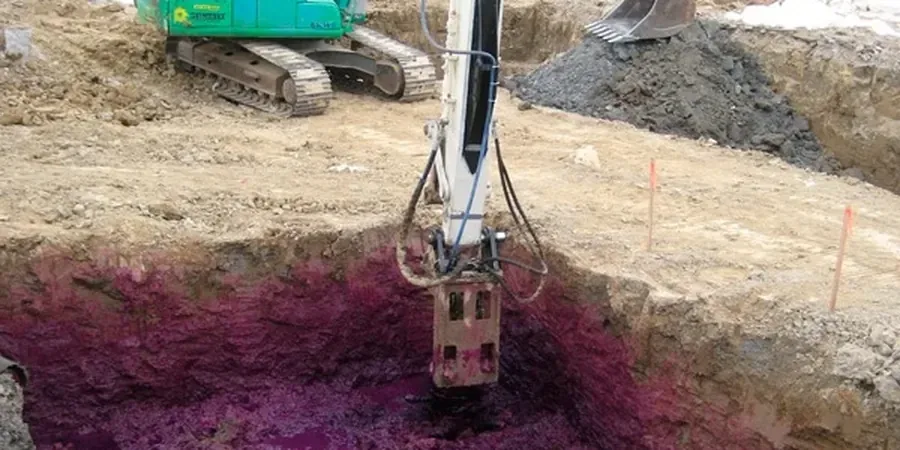
Sydney's former industrial sites on estuarine clays require lateral permeability profiling to design effective in-situ chemical oxidation or vapour extraction programs.
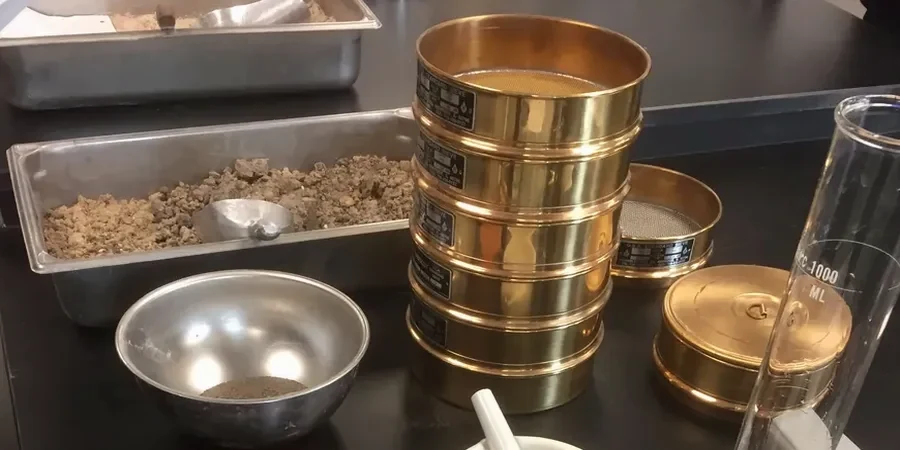
This service complements our laboratory testing work for a complete project analysis.