SYDNY
SYDNEY
HomeRoadwayEstabilización de suelos para carreteras

Soil Stabilization for Roads in Sydney – Geotechnical Solutions

Rigorous testing. Clear reporting.

LEARN MORE

Many contractors in Sydney assume a standard pavement design works across all suburbs. That assumption fails on the reactive clays of the Cumberland Plain or the fill zones around Parramatta. Without proper soil stabilization for roads, the road surface cracks within months. We see this most often in subdivisions where site preparation skipped the geotechnical step. The subgrade might look firm dry, but a wet season exposes its real behavior. For projects on marginal ground, combining stabilization with a compaction control test and a CBR assessment verifies the design strength before asphalt is laid. That saves rework costs down the line.
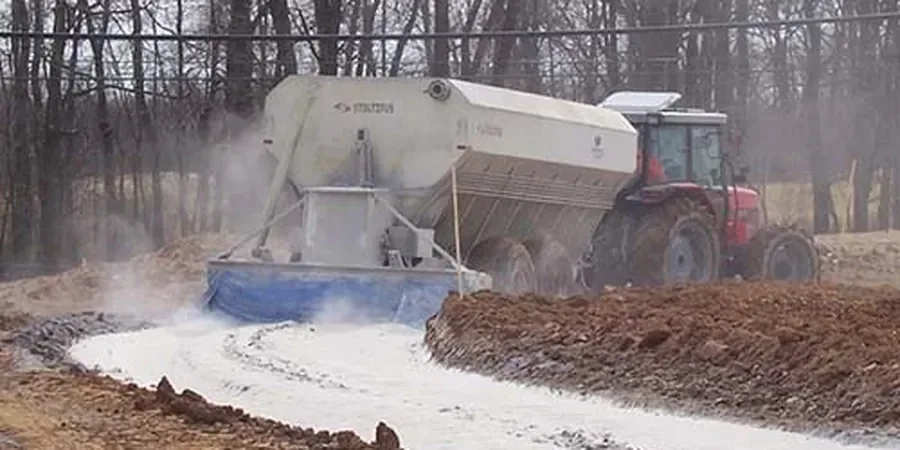
Illustrative image of Soil stabilization for roads in Sydney
A 2% increase in binder content can double the soaked CBR of a reactive clay subgrade. That is the difference between a 5-year and a 25-year pavement.
Our service areas

Scope of work

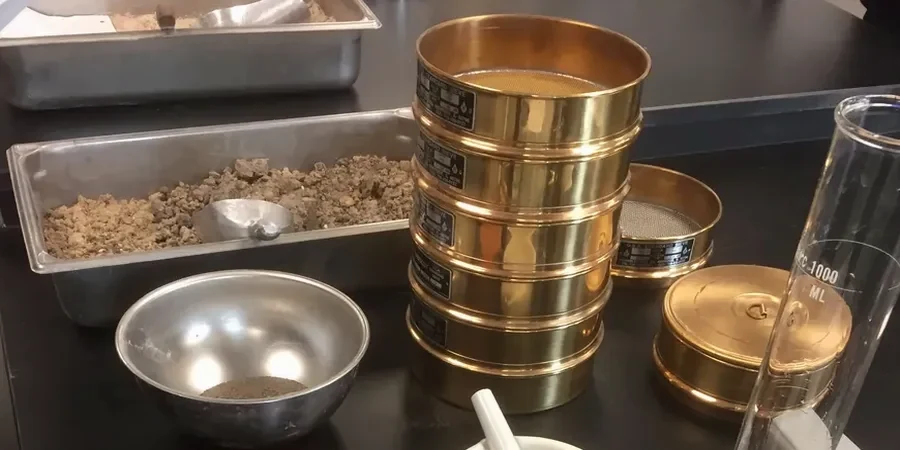
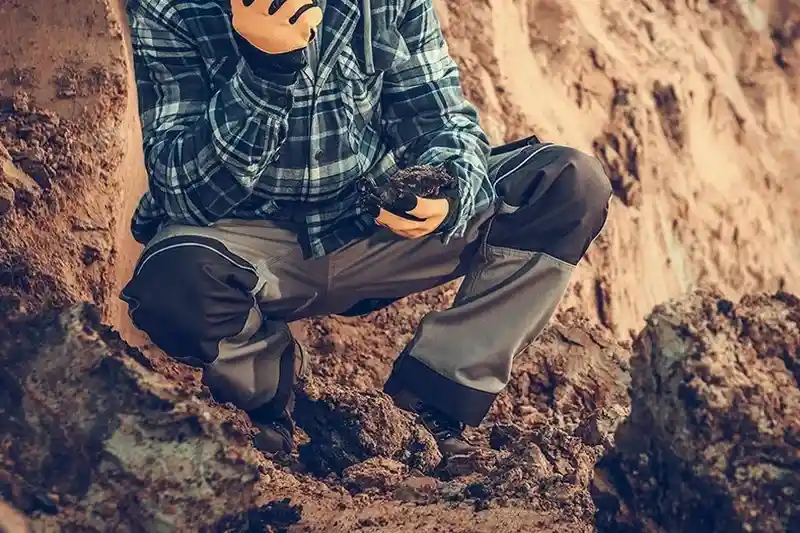
Sydney sits on a complex mix of Hawkesbury Sandstone, Wianamatta Shale, and alluvial deposits along the Parramatta River. Soil stabilization for roads here must address both the high plasticity of shale-derived clays and the low bearing capacity of recent fills. Our laboratory runs the full suite: Atterberg limits per AS 1289.3.1.1, modified Proctor compaction, and soaked CBR tests. Field work includes lime or cement dosage trials to determine the optimum binder content. We also use in-situ density testing to confirm compaction meets specification. If the road alignment crosses old creek beds, we recommend a geotechnical investigation with test pits to map variable subgrade conditions before stabilization design. The result is a pavement that holds up to Sydney's traffic loads and seasonal wetting cycles.
Technical reference — Sydney

Area-specific notes

Sydney's urban expansion since the 1960s has pushed roads onto former swamps, landfill, and low-lying floodplains. The Botany Sands area and parts of Homebush Bay sit on loose, saturated deposits that consolidate unevenly. Without effective soil stabilization for roads, differential settlement creates longitudinal cracks and edge failures. The risk is higher in western Sydney where the Wianamatta Shale weathers to a highly expansive clay. A road built on that clay without stabilization will heave in winter and shrink in summer. We have seen intersections develop 50 mm vertical displacement within two years of construction. That forces full-depth reclamation, which costs several times more than proper stabilization upfront.

Need a geotechnical assessment?

Reply within 24h.

Email: contact@geotechnicalengineering1.co

Standards used

AS 1289 (Methods of testing soils for engineering purposes), Austroads Guide to Pavement Technology Part 4D: Stabilised Materials, AS 1726:2017 Geotechnical site investigations

Technical parameters

ParameterTypical value
Unconfined Compressive Strength (UCS) after stabilization1.0 – 3.5 MPa at 7 days
Soaked CBR after treatment15 – 80% (depending on binder type and dosage)
Optimum Moisture Content (OMC) changeTypically decreases 2–5% with cement
Plasticity Index (PI) reductionFrom >30 to <12 with 4% lime
Maximum dry density increaseUp to 8% compared to untreated material

Quick answers

How much does soil stabilization for roads cost in Sydney?

Typical costs for design and testing range from AU$1.430 to AU$5.290 depending on the number of samples, binder types tested, and required field supervision. A full quality control program for a 1 km road section usually falls in the upper half of that range.

What tests are needed before designing a stabilization mix?

We start with classification tests: Atterberg limits, particle size distribution, and pH. Then we run modified Proctor compaction and soaked CBR on untreated and treated samples. For cement stabilization, we also measure unconfined compressive strength at 7 and 28 days.

Can stabilization be applied to wet subgrades in Sydney?

Yes. Lime works well on wet, plastic clays because it dries the soil through a pozzolanic reaction. Cement is more effective on sandy or low-plasticity soils. We adjust the binder type and application rate based on the in-situ moisture content and soil classification.

How long does a stabilization design study take?

A full laboratory study with curing and testing typically takes 3 to 4 weeks. Field quality control runs parallel to construction. For urgent projects, we can fast-track the initial dosage trials to 10 working days.

Location and service area

We serve projects across Sydney and its metropolitan area.

View larger map