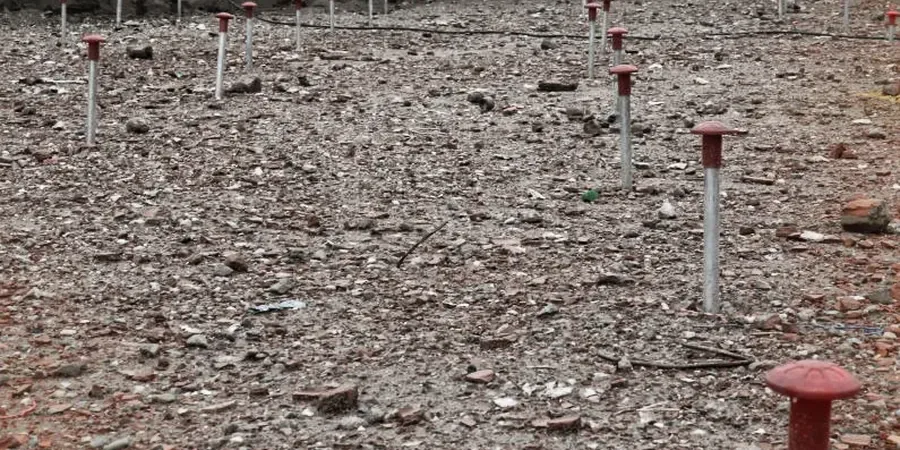
Many contractors in Sydney assume driven piles only need a simple capacity check. That assumption costs time and money when refusal occurs or settlement exceeds predictions. The problem is the local geology: interbedded sand, clay and shale layers create variable shaft resistance and tip bearing. A proper driven pile design must account for these transitions using site-specific soil parameters. Before mobilising a piling rig, we always correlate SPT N-values with cone penetration data to refine unit shaft friction profiles. Combining this with calicatas exploratorias gives visual confirmation of layer boundaries, reducing uncertainty in the pile tip elevation. Our approach prevents over-design and keeps schedules on track.
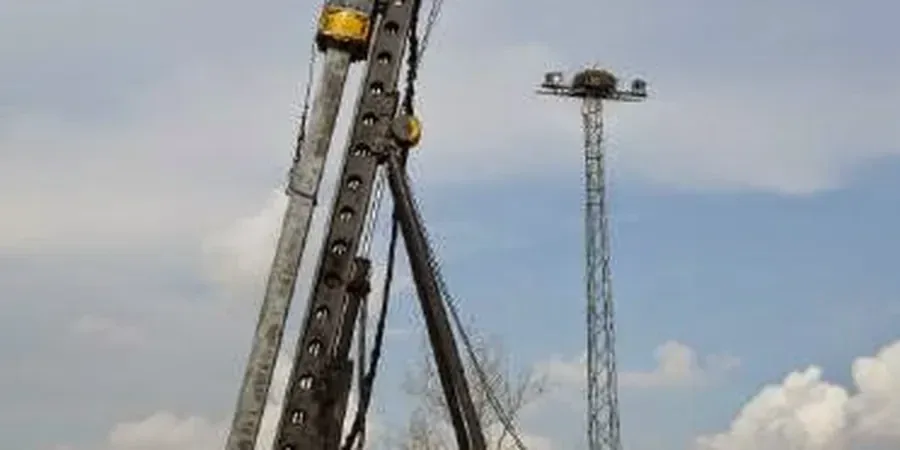
We always correlate SPT N-values with cone penetration data to refine unit shaft friction profiles and reduce refusal risk.