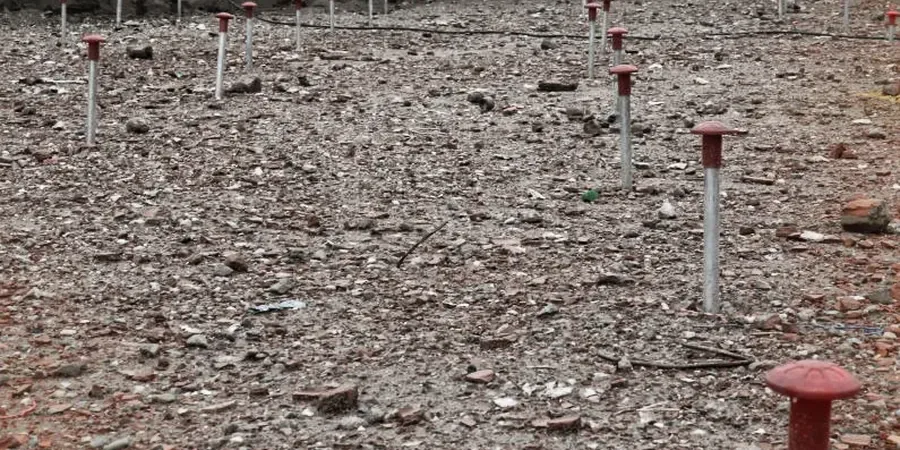
The contrast between Sydney's eastern sandstone suburbs like Vaucluse and the clay-rich soils of the Canterbury-Bankstown basin illustrates why one drainage design never fits all. In Vaucluse, the highly fractured Hawkesbury Sandstone allows rapid infiltration, requiring interceptor drains to manage perched water tables during heavy storms. Over in the Wianamatta Shale zones around Parramatta, the low-permeability clays demand a completely different approach — blanket drains and wick systems to relieve pore pressure before it undermines slab-on-ground construction. A well-executed geotechnical drainage design must account for these lithological contrasts, and our team integrates site-specific permeability testing with the placa de carga data to calibrate drainage spacing precisely. Without this tailored approach, half of Sydney's new developments would face moisture-related movement within the first two wet seasons.
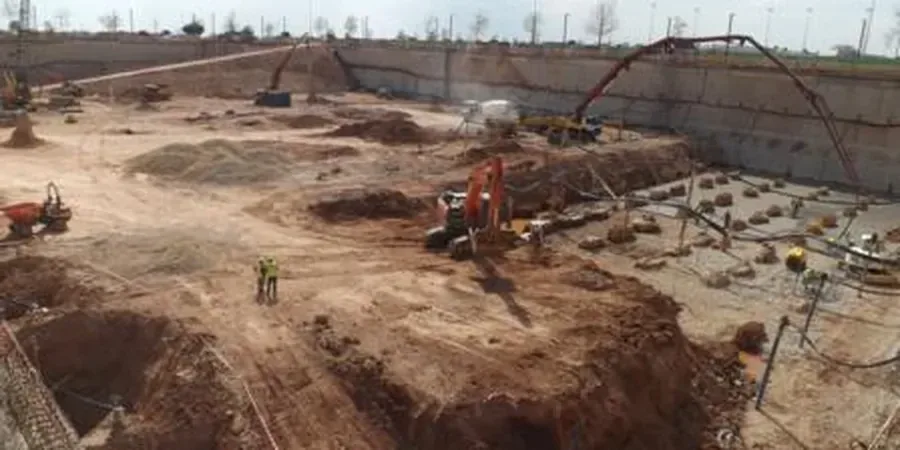
A drainage design calibrated to Sydney's specific shale-sandstone interface can reduce post-construction slab movement by up to 60% compared to generic layouts.