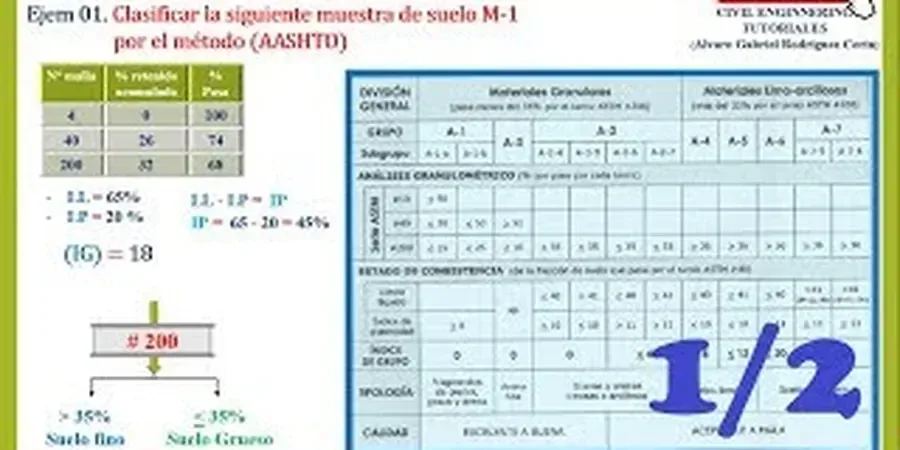
Sydney sits on a complex mix of Hawkesbury Sandstone, Wianamatta Shale, and Quaternary alluvium along the Parramatta River and Botany Bay. The sandstone dominates the northern and eastern suburbs, while the shale forms the Cumberland Plain to the west. We classify these materials using both the Unified Soil Classification System (USCS) and AASHTO methods, always following AS 1726-2017 for sampling and identification. For instance, the residual clay from weathered shale often classifies as CH (high plasticity) under USCS or A-7-6 under AASHTO, which directly impacts pavement design and embankment stability. Before we finalize a classification, we typically run a granulometry test to confirm the particle size distribution. This step is non-negotiable for projects in western Sydney where the clay content can reach 60%.
In Sydney, the weathered shale profile often classifies as CH (high plasticity) under USCS, driving deep foundation decisions on the Cumberland Plain.