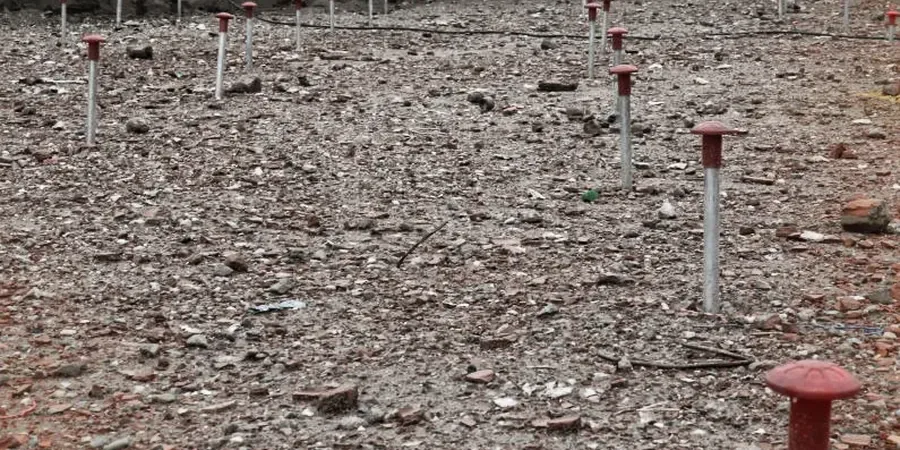
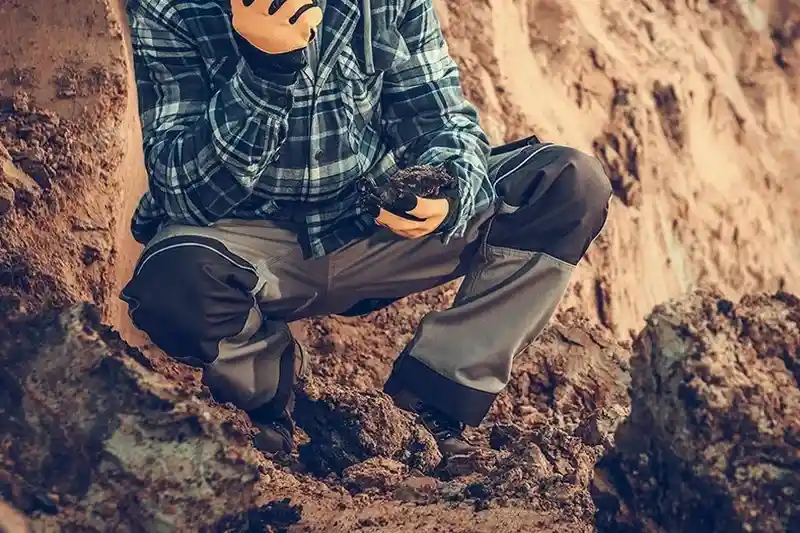
The alluvial flats of Homebush and the deep fill at Pyrmont respond very differently to dynamic compaction. At Homebush, high groundwater and soft estuarine clays require a high-energy pattern with a 20-tonne tamper dropped from 20 m to densify the underlying sands. On the Pyrmont foreshore, where former industrial waste and sandstone rubble dominate, a lower energy pass with a 15-tonne weight and a 10 m drop height suffices. In both cases, before we design the compaction grid, we run calicatas exploratorias to log the stratigraphy and locate obstructions. Our approach in Sydney always tailors the impact energy, drop spacing, and number of passes to the actual ground conditions encountered.
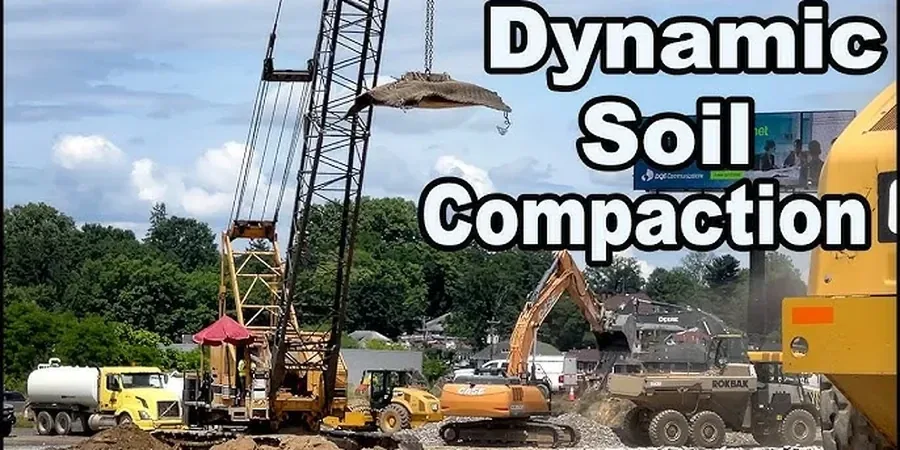
A 20-tonne tamper dropped from 20 m on a 5 m grid typically achieves 80–90% relative density in granular fill to 8 m depth.
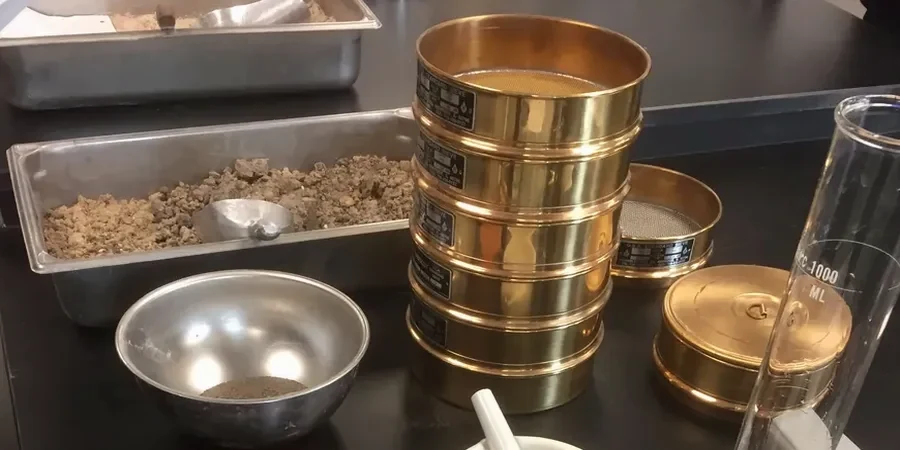
This service complements our laboratory testing work for a complete project analysis.