SYDNY
SYDNEY
HomeRoadwayRoad Embankment Design

Road Embankment Design in Sydney – Geotechnical Solutions for Urban Expansion

Rigorous testing. Clear reporting.

LEARN MORE

Sydney's rapid growth from the 19th-century sandstone quarries of The Rocks to the sprawling western suburbs has always demanded careful earthworks. The city's complex geology—Hawkesbury sandstone overlain by shale and alluvial deposits in the Cumberland Plain—means every road embankment project faces variable ground conditions. Before placing fill, a thorough subsurface investigation is essential. We often complement the initial desktop study with a subgrade assessment to establish bearing capacity and drainage requirements, ensuring the embankment's long-term stability under traffic loads and seasonal rainfall.
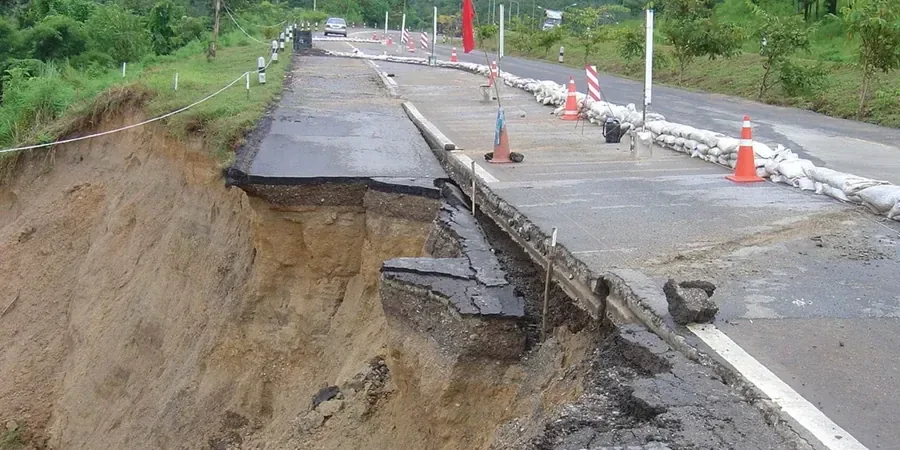
Illustrative image of Road embankment design in Sydney
In Sydney, embankment failures often trace back to inadequate drainage of the underlying Hawkesbury shale—a lesson learned from the 1980s landslides at Collaroy.

Our service areas

Scope of work

The humid subtropical climate of Sydney, with an average annual rainfall of 1,200 mm concentrated in autumn and early winter, directly impacts embankment construction. Moisture-sensitive clays in areas like Parramatta and Penrith require strict compaction control to avoid post-construction settlement. Our road embankment design methodology follows AS 1726:2017 for geotechnical site investigations, integrated with laboratory compaction curves from the modified Proctor test (AS 1289.5.2.1). We also incorporate drainage layer specifications from AS 4678:2002 for earth-retaining structures when embankments exceed 3 m in height.
  • Optimised fill selection using local Sydney materials (sandstone, shale, alluvial gravels)
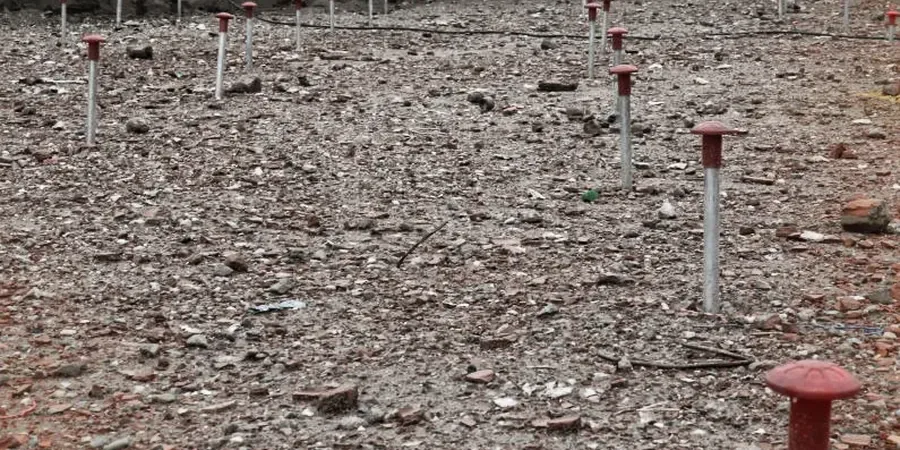
  • Instrumented settlement monitoring plates and piezometers for staged construction
  • Seismic design to AS/NZS 1170.4 for embankments in Zone A (Sydney CBD and eastern suburbs)
For projects on soft estuarine soils near Botany Bay or the Parramatta River, we combine preloading with vertical drains to accelerate consolidation before road embankment design finalisation.
Technical reference — Sydney

Area-specific notes

In the field, we often see embankments built too quickly on the soft estuarine clays of Sydney's inner west. The undrained shear strength of these deposits can drop below 20 kPa, leading to rotational failures if staged construction is skipped. Another recurring issue is the collapse of poorly compacted fills after heavy rain, particularly on slopes near the M2 motorway corridor. Our road embankment design protocol mandates at least three months of settlement monitoring before pavement placement in areas with more than 5 m of compressible soil.

Need a geotechnical assessment?

Reply within 24h.

Email: contact@geotechnicalengineering1.co

Standards used

AS 1726:2017 – Geotechnical site investigations, AS 4678:2002 – Earth-retaining structures, AS/NZS 1170.4:2002 – Structural design actions (earthquake), Austroads Guide to Pavement Technology Part 4B: Subgrade and Earthworks

Technical parameters

ParameterTypical value
Fill density (standard Proctor, AS 1289.5.1.1)95–98% of maximum dry density
CBR (soaked, AS 1289.6.1.1)≥ 5% for subgrade; ≥ 15% for select fill
Settlement tolerance under 50-year design life≤ 50 mm total; ≤ 20 mm differential
Slope inclination (H:V)2:1 to 3:1 depending on soil type
Factor of safety against sliding (limit equilibrium)≥ 1.5 (static); ≥ 1.1 (seismic)
Maximum fill height without geosynthetic reinforcement6 m (sandstone fill); 4 m (shale fill)

Quick answers

What is the typical cost range for a road embankment design study in Sydney?

For a standard road embankment design including site investigation, laboratory testing, and slope stability analysis, costs range between AU$2,030 and AU$7,180. Complex sites with deep soft soils or high fills may exceed this range.

How long does a road embankment design project take in Sydney?

A typical design phase takes 4 to 6 weeks for a single embankment up to 8 m high, including 2 weeks of field investigation and 3 weeks of laboratory testing and modelling. Staged construction with settlement monitoring can extend the timeline to several months.

What makes Sydney's geology challenging for road embankment design?

The transition from Hawkesbury sandstone to the highly plastic clays of the Wianamatta Group (specifically the Bringelly Shale and Ashfield Shale) creates abrupt changes in bearing capacity. In western Sydney, the presence of alluvial and estuarine deposits with high moisture content and low undrained shear strength demands careful drainage design and staged loading to avoid differential settlement.

Location and service area

We serve projects across Sydney and its metropolitan area.

View larger map